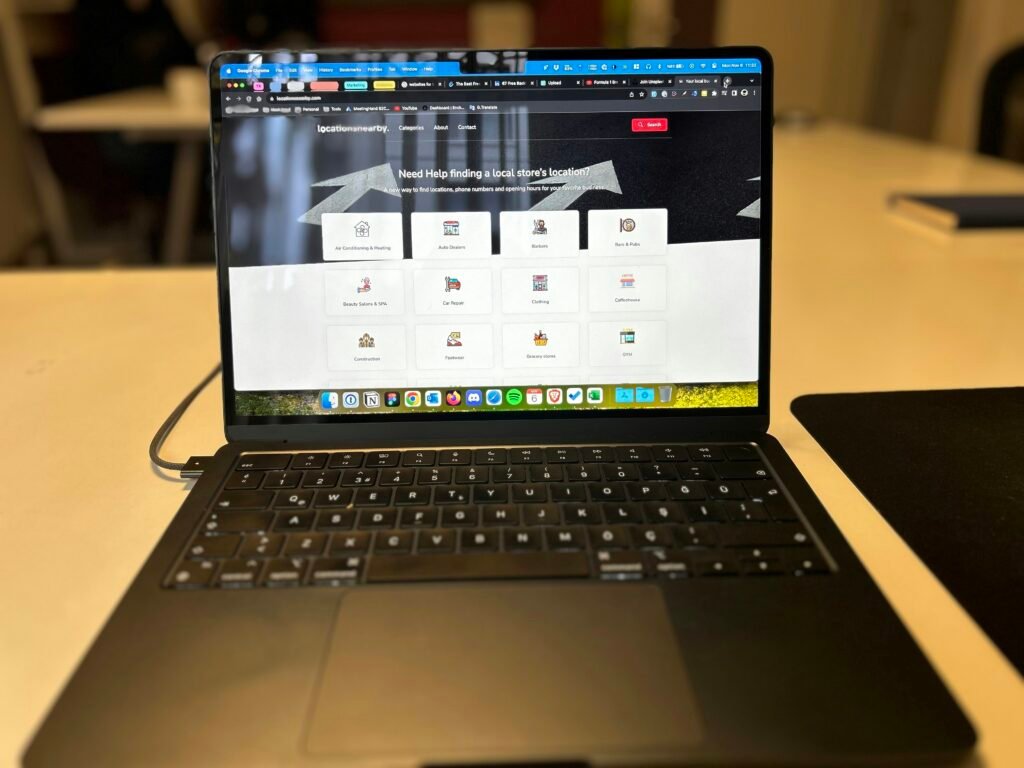
Introduction to Online Resources
In the digital age, the significance of websites cannot be overstated. They have become indispensable tools in navigating everyday life, whether it be for accessing essential information or utilizing various services. Online resources serve as gateways to a vast array of knowledge, enabling users to engage with content and tools that cater to their personal and professional needs. The evolution of websites reflects the transformative power of technology, showcasing how they adapt to the growing demands of users across the globe.
The landscape of online resources has continuously evolved, driven by innovations in web technology and the changing behaviors of internet users. Today, websites offer comprehensive platforms that facilitate interactions, provide educational content, and streamline processes, making them integral to our lives. For instance, online shopping platforms have revolutionized retail by allowing consumers to purchase products from the comfort of their homes, while educational websites have provided learners with access to a plethora of courses and information that were previously limited to traditional institutions.
Moreover, the convenience of accessing services online has made websites essential for efficiency in various sectors. From health consultations to financial management, the ability to complete transactions or gather information with just a few clicks has simplified complex processes. This seamless accessibility not only saves time but also empowers users to take control of their personal affairs from anywhere at any time.
As we explore the top seven most useful websites for 2026, it is crucial to recognize how these online resources enhance our daily interactions and support a more informed society. In doing so, we will highlight the unique functionalities and advantages of these websites that position them as essential tools in our increasingly digital world.
Criteria for Selecting Useful Websites
In today’s digital landscape, the selection of useful websites hinges on several critical criteria that collectively define their value. Primarily, user-friendliness is a pivotal factor. A website should feature an intuitive design that allows users to navigate seamlessly, find information quickly, and utilize its features efficiently. Sites that prioritize usability tend to retain users and promote a positive experience, which is fundamental in today’s fast-paced environment.
Another essential criterion is versatility. Useful websites often cater to a wide array of needs or interests, providing resources that span various topics or functionalities. This breadth allows users to return to the site for different purposes, be it for research, productivity, or entertainment, thereby enhancing its practicality and prominence in users’ digital lives.
Furthermore, the breadth of resources offered by a website contributes significantly to its classification as useful. Websites that aggregate extensive information, tools, and features allow users to explore various dimensions of a subject matter, making it easier for them to acquire knowledge or skills in a single domain. This characteristic not only streamlines the research process but also elevates the site’s status as a comprehensive resource.
Lastly, the overall impact of a website on productivity and information acquisition cannot be overlooked. Websites designed to enhance efficiency, whether through innovative tools, insightful articles, or engaging content, have the potential to transform how users interact with information. By enabling seamless access to knowledge and resources, these sites foster a culture of learning and productivity.
Evaluating these criteria ensures that the selected websites not only serve their intended functions but also stand out in an increasingly crowded digital landscape.
3. The Top 7 Websites You Should Know
In 2026, various websites have emerged as essential tools that can greatly enhance productivity and convenience in our daily lives. Here, we present the top seven websites that everyone should know, highlighting their key features and unique offerings.
1. Coursera: Coursera continues to lead the way in online education, providing access to a wide array of courses from reputable universities and organizations. Users can improve their skills and earn certificates in subjects ranging from technology to art, thereby enhancing their qualifications and employability.
2. Notion: Notion serves as an all-in-one workspace, allowing individuals and teams to organize notes, tasks, and databases in a flexible manner. This platform fosters collaboration and efficiency, making project management more streamlined.
3. TripIt: As travel planning becomes increasingly complex, TripIt simplifies the process by consolidating travel itineraries into one easily accessible format. Users can forward travel details from various sources and receive real-time updates, ensuring smoother trips.
4. Mint: Financial management is critical, and Mint provides a comprehensive solution to track spending, create budgets, and manage bills. The site offers insights into financial habits, empowering users to make informed financial decisions.
5. Canva: Canva has revolutionized design by making it accessible to non-designers. Users can create professional-quality graphics, presentations, and social media posts using intuitive tools and templates.
6. Duolingo: Language learning has never been easier with Duolingo’s engaging approach. The platform uses gamification to teach various languages, allowing users to learn at their own pace in a fun, interactive environment.
7. Headspace: In the current fast-paced world, mental wellness is vital. Headspace offers guided meditation and mindfulness exercises that assist users in reducing stress and enhancing focus, fostering a healthier lifestyle.
These websites not only provide unique features but also address various needs such as education, organization, travel planning, and financial management—ultimately improving users’ daily experiences and interactions in an increasingly digital landscape.
Future Trends in Website Usage
As we advance toward the end of 2026, the landscape of website usage is poised to undergo significant transformations influenced by emerging technologies and evolving user behaviors. With the integration of artificial intelligence (AI), websites are becoming increasingly interactive and personalized, providing users with tailored experiences that enhance engagement and satisfaction. AI-driven tools such as chatbots and content recommendations are reshaping how individuals interact with online resources, and this trend is likely to continue as technology evolves.
Moreover, the rise of virtual reality (VR) and augmented reality (AR) is set to revolutionize website functionality. These technologies allow users to experience products and services in immersive environments, offering a level of interactivity that traditional websites cannot provide. As VR and AR technologies become more mainstream, websites that effectively incorporate these elements are expected to gain prominence and attract larger audiences.
Another significant trend is the increasing emphasis on mobile-optimized websites. With more users relying on smartphones and tablets for browsing, it has become essential for websites to ensure compatibility and offer seamless navigation across devices. This push for mobile-first design will shape how websites are developed and maintained, emphasizing speed and user accessibility.
User behavior is also shifting, with individuals prioritizing privacy and data protection more than ever. This trend will necessitate that websites not only comply with stricter regulations but also adopt transparent practices regarding data usage. As a result, platforms that prioritize user trust and security will likely emerge as essential resources in the digital landscape.
To stay informed about these evolving trends and identify the most useful websites, individuals should engage with tech news, follow industry leaders, and participate in forums focused on technology developments. By being proactive in understanding these changes, users can better equip themselves to navigate the digital future effectively.